Synthetic Roof That Outperform Traditional Roofing in the Midwest
The Midwest is not forgiving to roof coverings. A home in Chicagoland may see deep snow in January, wind-driven rain in April, extreme UV and warmth in July, then hailstorm and freeze-thaw swings before the fallen leaves are down. That kind of cycle reveals every powerlessness in a roofing setting up. It turns up first at fasteners, joints, ridges, valleys, flashing changes, and on any material that absorbs dampness or ends up being breakable with age.
That is why a lot more homeowners, architects, and high-end builders are paying closer focus to artificial roof. Not because they are fashionable, and not because they mimic superior products at a reduced cost point, though some do. They are acquiring traction due to the fact that particular products merely manage Midwestern weather better than lots of traditional alternatives. When the product is defined properly and the artificial roofing installment is done by competent crews, the outcome can be a roofing with solid impact resistance, lighter structural demand, even more constant appearance, and less maintenance migraines over time.
There is a lot of sound in this classification, so it assists to be exact. Not every artificial roofing system is premium artificial roof. Not every polymer roof shingles belongs on a luxury home. And not every service provider that states they mount these products understands the details that make them operate in the area. Efficiency comes from the entire system, not just the face of the shingle or tile.
What "outperform" actually indicates in the Midwest
When home owners listen to that roofing outshines one more, they typically think it suggests longer life-span alone. In method, that is just component of the story. In the Midwest, a much better roof covering gains its maintain in several ways at once.
It sheds water dependably throughout wind-driven storms. It stands up to damage throughout hail events. It tolerates thermal activity without curling, cracking, or shedding placement. It holds color and structure as opposed to looking tired after a few warm summer seasons. It also decreases the risk of covert issues, particularly moisture breach around flashings and infiltrations. On higher-end homes, appearance issues too. A roof that looks level, chalky, or irregular after a decade is not truly doing, also if it technically still keeps water out.
Traditional roof covering materials each have toughness. Asphalt roof shingles are accessible and familiar. Cedar has warmth and character. All-natural slate is stunning and sturdy. Clay and concrete tile create an unique building appearance. But every one of those materials likewise comes with restrictions that become extra obvious under Midwestern conditions.
Asphalt can shed granules, crease in wind, and suffer during duplicated freeze-thaw exposure as it ages. Cedar requires upkeep and can divide, cup, or support moss if problems are right. Slate is remarkable in numerous areas but really hefty, pricey to repair, and not every framework is framed for it. Ceramic tile takes care of warmth well, but weak breakage in colder environments or under impact is an actual concern.
The finest synthetic roofing systems are designed to address those weak spots without developing brand-new ones.
Why artificial products have moved past "imitation"
A decade or 2 back, synthetic roofing often lugged a track record for looking overly made up close. Some very early items did. The structure was also repeated, sides were also consistent, and the color did not have depth. That has actually transformed considerably at the costs end of the market.
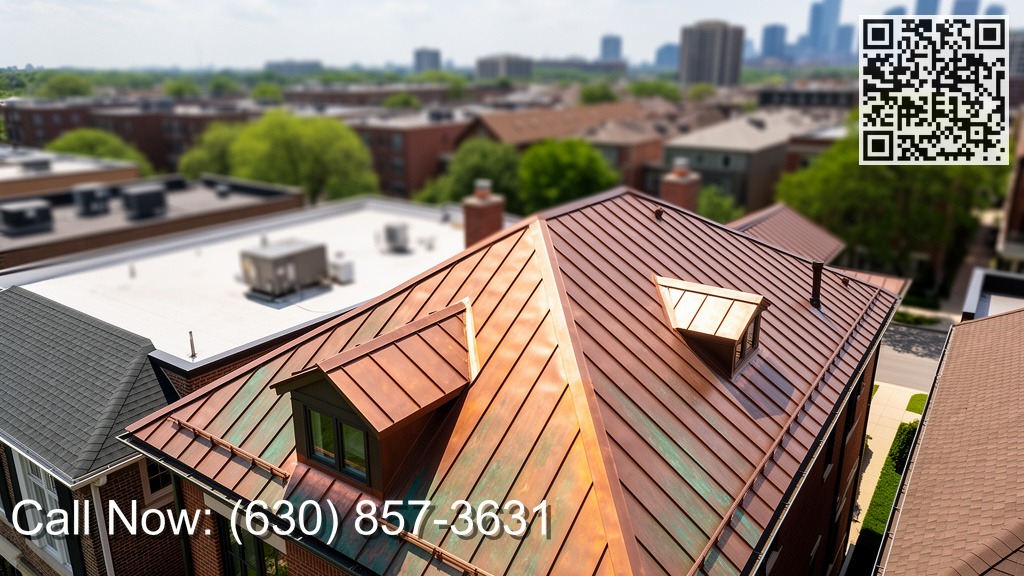
Today's building artificial roof covering products are usually crafted from advanced polymers, composite resins, or recycled product blends with UV stabilizers and impact-resistant formulas. The very best variations do not simply simulate cedar shake, slate, or ceramic tile. They reinterpret those accounts in such a way that maintains the visual richness while improving consistency and weather resistance.
On a current high-end residential task, the owners desired the appearance of hand-split cedar without the upkeep routine that usually follows it. Your house had steep gables, multiple valleys, and a greatly landscaped great deal where falling branches were an issue. A costs artificial roof shake profile made good sense. As soon as installed, the darkness lines and staggered widths gave the roof covering the variation the architect desired, yet the product itself was much less prone to splitting and dampness absorption than natural wood. That is the sort of functional concession artificial products deal with extremely well.
For artificial roof covering for high-end homes, visual appeals are not secondary. In most cases, they are the factor the conversation begins. Yet the products that absolutely stand apart are the ones that combine visual depth with trustworthy area performance.
The Midwest penalizes weight, brittleness, and water absorption
One factor artificial roofing systems can outmatch typical roofing systems is straightforward physics. A lot of synthetic roof covering roof shingles and tiles are significantly lighter than all-natural slate or clay ceramic tile. That matters in older Midwestern real estate stock, where architectural retrofitting can include significant cost to a roof covering replacement. If a house owner enjoys the slate appearance yet the framing was never ever designed for real rock, a high quality synthetic slate profile can open up an alternative that would certainly otherwise be impractical.
Lower weight likewise influences installation logistics. It decreases handling pressure, can make hosting easier, and areas less long-term stress and anxiety on the structure. That is not a substitute for proper underlayment, attachment, and air flow, yet it is still an advantage.
Brittleness is another problem. In environments with freezing temperature levels, impact events tell the truth about roof materials very promptly. Hail does not land politely, and neither do branches thrown by straight-line winds. Several synthetic roofing systems are engineered for high influence resistance. That can indicate fewer fractures, less aesthetic damages, and sometimes a better possibility of preventing premature artificial roofing system replacement after a severe storm.
Water absorption is where some typical materials battle silently gradually. Products that tackle wetness can endure a lot more during freeze-thaw cycles. Expansion, tightening, and surface area degradation do not always announce themselves right away. An artificial roof, particularly one made from low-absorption composite materials, prevents that issue by design.
Where artificial roofing shines most
The greatest applications for property synthetic roof in the Midwest often tend to fall into a few clear classifications. Historic-style homes that desire quaint look without quaint fragility are one. High-value customized homes are another. Homes surrounded by fully grown trees, homes exposed to open wind hallways, and homes where the proprietors expect a cleaner, more uniform appearance with time also benefit.
Here are the scenarios where synthetic roof commonly make one of the most feeling:
- Homes looking for slate, shake, or tile looks without the structural concern of the all-natural material.
- Properties in hail-prone areas where influence resistance matters as long as curb appeal.
- Custom develops where the engineer wants appearance and measurement that conventional asphalt can not deliver.
- Older homes that need a synthetic roofing substitute without adding major mounting upgrades.
- Luxury houses where lasting look and lowered upkeep bring actual value.
Those groups overlap commonly. In markets like artificial roofing Chicago and artificial roofing Naperville IL, it prevails to see home owners stabilizing weather issues, HOA standards, and the wish to protect a specific building character.
Synthetic slate, synthetic shake, and designer profiles
Not all synthetics are trying to do the very same job. Broadly talking, the highest-performing products in the Midwest fall into three families: slate-look profiles, shake-look accounts, and developer roof shingles that create dimension beyond standard asphalt.
Synthetic slate tends to function especially well on Tudor, French Nation, Colonial, and specific contemporary homes that need crisp roofing system lines and refined texture. An excellent synthetic slate account avoids the extreme uniformity that hands out lower-end products. Try https://jasperdkxn845.halcyonledger.com/posts/artificial-roof-covering-installment-advantages-for-chicagoland-weather-condition-difficulties to find diverse widths, subtle thickness adjustments, and combined pigmentation rather than a level black and white field.
Synthetic shake profiles are perfect where homeowners like the warmth of cedar but do not want the upkeep worry, fire problems, or weathering changability of wood. On larger roofing systems, this classification can be particularly efficient due to the fact that it develops shadow and scale. Done well, it helps a roofing feel symmetrical to the house rather than like a slim cap resting on top of it.
Architectural artificial roofing likewise consists of products that do not strictly copy one all-natural material. Some are suggested to supply a premium, dimensional roofing aircraft with cleaner lines and modern describing. That can be a clever option for transitional homes where typical cedar or slate visuals would really feel as well heavy.
The trick is matching account to architecture. An artificial roofing contractor who understands design will steer a homeowner far from an item that carries out well practically however looks incorrect on the residence. That judgment matters greater than people realize.
Installation is where good products either succeed or fail
Even excellent materials can underperform when mounted thoughtlessly. I have seen costs roof coverings compromised by standard errors: misaligned starter programs, badly integrated blinking, valley details developed for speed as opposed to water drainage, and ridge air vent systems that were not stabilized with proper intake ventilation.
Synthetic roofing system installers require to adhere to maker specifications very closely since securing patterns, direct exposure, accessory components, and temperature level considerations can differ from typical asphalt methods. Some items need details spacing allowances for motion. Some ask for exclusive hip and ridge devices. Some require accurate handling to stay clear of visible pattern repetition or field distortion.
That is why selecting the right synthetic roofing business matters as much as selecting the product. A capable artificial roofing contractor should have the ability to describe exactly how they take care of ice-and-water membrane layer placement, valley construction, pipe flashing shifts, attic room ventilation, and the describing at wall surfaces and chimneys. If the answers remain obscure, that is a warning sign.
In north Illinois, this is especially essential. An artificial professional roofer Chicagoland property owners can trust must be comfortable taking care of ice dam threat, wind exposure around lake-influenced weather patterns, and the traits of older framing that are common in well-known neighborhoods.
The underlayment package likewise deserves interest. A roofing system is not just what you see from the street. In many Midwest applications, high-temperature ice-and-water protection in susceptible areas, synthetic underlayment throughout the field, and thoroughly selected steel information belong to what makes the whole setting up long lasting. Saving money under the finish product typically sets you back more later.
How synthetics compare to asphalt, cedar, slate, and tile
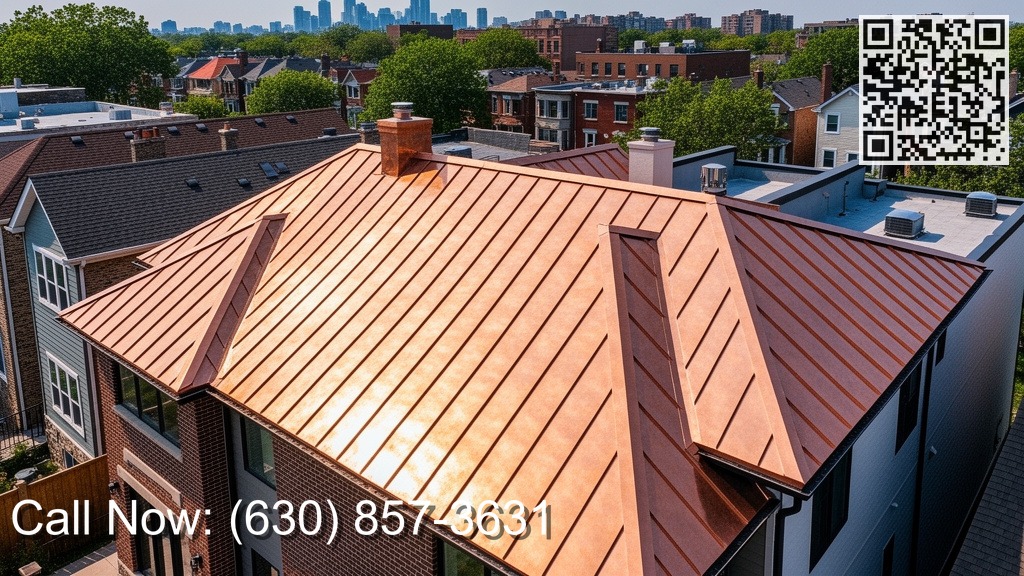
Asphalt still belongs. For lots of homes, a well-made architectural asphalt roof shingles offers sound worth. Yet it hardly ever delivers the very same dimensional presence as premium synthetic roof covering, and in demanding weather condition it can reveal age faster. Granule loss, softened sides, and aesthetic disparity prevail by the middle years of the roofing system's life, specifically on sun-heavy exposures.
Cedar has unrivaled all-natural appeal, specifically on classic homes. It likewise requests regard. Ventilation, therapy, upkeep, and environment exposure all influence how cedar ages. Some owners enjoy the weather-beaten personality. Others are let down when the roof looks uneven after a stretch of wet periods and extreme winters months. Synthetic shake is frequently the answer for those that desire the cedar appearance with far much less unpredictability.
Natural slate continues to be among the great roof covering materials. On the ideal structure, set up by true experts, it can outlive nearly whatever else. But it is costly, heavy, and repair services need a diminishing pool of tradespeople who recognize how to work with it properly. For lots of property owners, synthetic slate delivers a lot of the visual reward with less architectural and logistical complications.
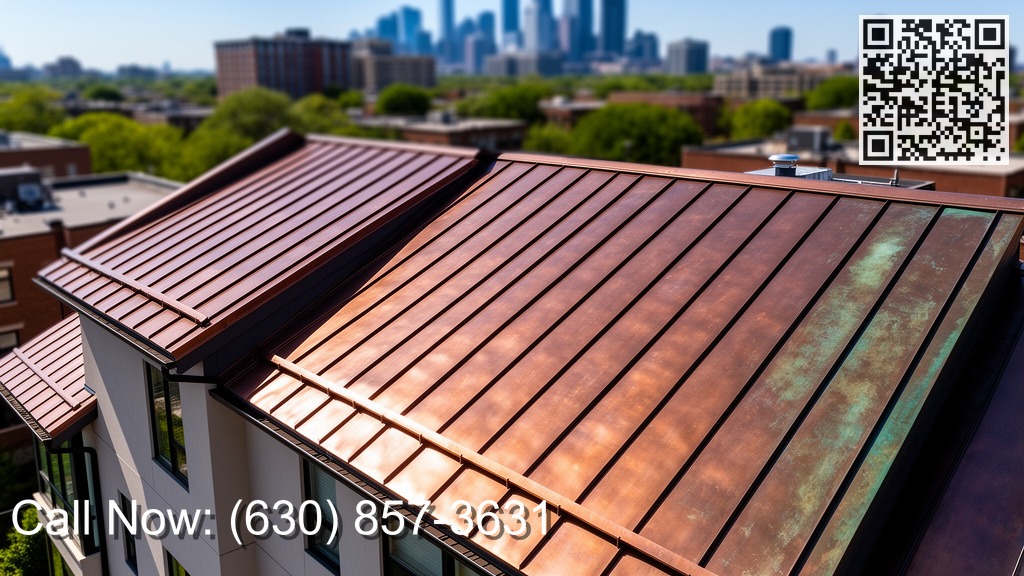
Tile is similar. Real clay and concrete floor tile are attractive, but their performance profile fits some environments better than others. In freeze-thaw regions, material option and setup quality come to be vital. Artificial floor tile alternatives provide a way to protect the silhouette and style while decreasing breakage risk and installation burden.
Outperforming standard roof covering does not mean every artificial beats every all-natural material in every group. It suggests the most effective synthetic roofs usually offer a far better complete plan for actual Midwestern conditions and property owner priorities.
The look concern, due to the fact that visual appeal still drives decisions
Many property owners start this search with performance in mind, then make the final decision based on look. That is sensible. The roofing system can represent a huge share of a home's aesthetic impact.
This is where costs artificial roof covering has actually divided itself from asset products. Much better lines have richer color blends, even more natural side variant, less sheen, and accessory items that do not look like an afterthought. From the ground, and also from the eave line, the distinction can be striking.
For synthetic roofing Chicago jobs, I have actually discovered that buyers of higher-end homes are progressively sensitive to roofing systems that look "home builder quality," also when the house itself is not. A thoroughly chosen artificial roof can elevate a home's exterior in a manner that average laminated asphalt typically can not. That matters in affordable neighborhoods, and it certainly matters for property owners planning to remain long enough to care about just how the roofing will search in year ten, not simply week one.
Cost, worth, and the actual math over time
Synthetic roofing systems typically set you back more ahead of time than traditional asphalt. That component is apparent. The better question is what the property owner enters return.
The value recommendation frequently consists of longer solution assumptions, lower maintenance compared to cedar, less architectural worries compared with slate or ceramic tile, and stronger resistance to usual Midwest stressors such as hailstorm and freeze-thaw biking. There can also be insurance effects depending on item scores and the service provider, though that differs enough that it must never be assumed.
A home owner considering artificial roof substitute ought to additionally think about second prices. If a natural slate or ceramic tile choice triggers engineering evaluation or architectural reinforcement, the budget adjustments quickly. If cedar requires recurring treatment or repair work attention, the life time cost photo adjustments there as well. In some cases premium artificial roof is not the most affordable roofing system theoretically, however it becomes one of the most logical roof covering when all the linked prices are counted.
This is where a credible synthetic roofing firm gains its cost. Excellent specialists chat via those trade-offs honestly. They do not market every property owner the exact same assembly. They ask how much time the proprietors plan to remain, exactly how crucial specific historic appearance is, just how much maintenance they agree to handle, and what previous storm damage has actually looked like on the property.
What to ask before choosing a system
If you are contrasting products and professionals, a few concerns expose a whole lot really rapidly. Ask what profile the professional thinks best suits your home and why. Ask whether the staff has actually mounted that specific item previously, not just "artificial roof coverings" in general. Ask just how they take care of valley waterproofing, air flow strategy, flashing replacement, and cold-weather scheduling.
Most significantly, ask to see completed neighborhood work that has actually remained in solution for several years. Fresh installations always look excellent. The genuine test is whether the roofing still festinates after a few winter seasons, a hail storm season, and the typical dirt and sunlight direct exposure of Midwestern life.
A strong artificial roofing contractor ought to fit talking about not simply the roofing system covering, yet the full roof. That includes decking condition, insulation and ventilation communication, underlayment option, accessory compatibility, and lasting utility. Those discussions are where professional judgment shows.
The Midwest is exactly where the right artificial roof makes sense
There are areas where conventional materials remain the default for evident factors. The Midwest is much more difficult. This climate asks a lot from roof coverings, and property owners are best to look for products that can handle severe weather without quiting architectural character.
That is the strongest case for modern artificial roofing roof shingles and composite accounts. They permit property owners to go after the look of cedar, slate, or floor tile while avoiding most of the downsides those materials carry in a demanding climate. When selected very carefully and set up by experienced synthetic roofing installers, they can provide a better combination of strength, design adaptability, and lasting appearance than many legacy roof choices.
For homeowners in markets such as artificial roof covering Naperville IL or the more comprehensive Chicagoland location, that balance is especially eye-catching. You do not need to select between a roofing system that looks costs and a roof that behaves smartly under Midwest climate stress and anxiety. The best synthetic roofing systems do both.
That does not suggest every synthetic item belongs on every home. It implies the classification has developed. There are now trustworthy, well-engineered choices that should have to be considered together with cedar, slate, tile, and premium asphalt. In many Midwestern applications, they are no more the compromise option. They are the smarter one.
When Quality Matters
Salvo Architectural Roofing Contractors
566 West 5th Ave Naperville, IL 60563
(630) 857-3631
 Ask ChatGPT
 Ask Grok
 Ask Perplexity
 Ask Claude
 Ask Google AI
 Ask You